7th Wesnet Technology
Safety Summit
15-17 SEPTEMBER 2026 MEEANJIN (Brisbane)
Speakers
At Wesnet's 7th Technology Safety Summit, speakers will explore the complex and evolving interplays between technology and family/domestic and other forms of gendered violence.
We will keep adding to this page as speakers confirm. Check back regularly.
Keynote Speakers

Elizabeth Ashby
Senior Research Advisor,
Ngā Whare Whakaruruhau o Aotearoa – The National Collective of Independent Women’s Refuges (NZ)
Read Bio
Elizabeth is the Research Associate at Ngā Whare Whakaruruhau o Aotearoa - The National Collective of Independent Women’s Refuges (NCIWR). She’s a member of
the NCIWR Policy and Research team, which is focused on producing novel
research and practice guidance that promotes the safety of wāhine and tamariki
after family violence. She’s also a member of the Aotearoa-based Women’s Online
Safety Partnership (WOSP) – a group made up of family and sexual violence
specialists and Netsafe (Aotearoa’s digital safety agency) that meets to discuss
emerging trends in digital abuse. In 2025, she chaired the first online hui between
Australian and Aotearoa-based digital abuse specialists.
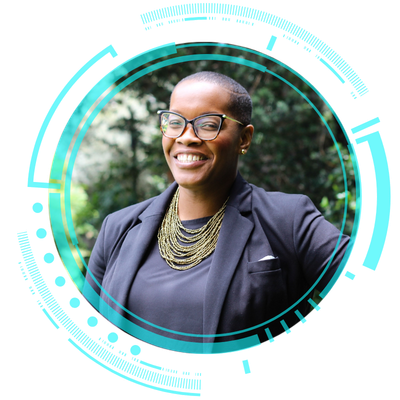
Audace Garnett
Director of the
SafetyNet Project,
The National Network to End Domestic Violence (USA)
Read Bio
Audace Garnett is an advocate with more than 20 years of experience supporting survivors of domestic violence, sexual assault, and other forms of abuse, including youth and survivors with disabilities. She has worked at local programs such as Barrier Free Living NY and Day One NY supporting youth, as well as at the Brooklyn District Attorney’s Office in the Victim Services Unit. Today, she is the Director of the Safety Net Project at the National Network to End Domestic Violence, where she focuses on the intersection of technology and abuse. In her role, she provides national and international training and technical assistance, develops practical tools and resources, and partners with organizations and communities to strengthen responses to technology-facilitated abuse. Her work centers on enhancing safety, building capacity, and helping advocates navigate the rapidly evolving digital landscape with clarity and confidence.

Julie Inman Grant PSM
Australian eSafety
Commissioner
Read Bio
Julie Inman Grant PSM is Australia’s eSafety Commissioner, leading the world’s first independent regulatory agency dedicated to keeping its citizens safer online.
Appointed in January 2017, Julie has expanded eSafety’s remit, capability and impact while implementing world-leading initiatives and frameworks to address online harms.
Julie began her career at the US Congress in Washington, DC, before spending 17 years at Microsoft in senior corporate affairs roles. She later established Twitter’s public policy and philanthropy programmes across Australia, New Zealand and Southeast Asia, and led Government Relations across APAC for Adobe.
As Commissioner, Julie has implemented major legislated reforms and launched innovative programs to anticipate emerging online harms. Under her leadership, eSafety has embedded a holistic, ecosystem-based model of regulation, applying shared responsibility and accountability across the digital value chain, from platforms to app stores and device manufacturers.
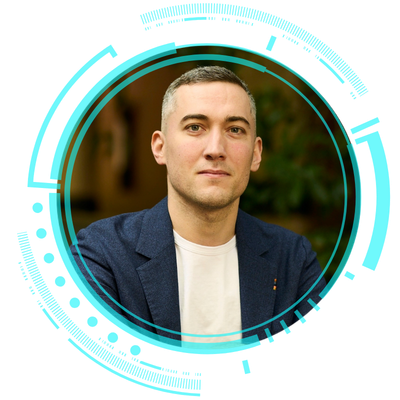
Dr Yoel Roth
SVP, Head of Trust & Safety
Match Group (USA)
Read Bio
Yoel Roth is a trust and safety practitioner and researcher. He is the Senior Vice President of Trust & Safety at Match Group, the parent company of Tinder, Hinge, and dozens of dating apps used by millions of people worldwide. He is also a Non-Resident Scholar at the Carnegie Endowment for International Peace, where his research, teaching, and writing focus on trustworthy governance approaches for social media, AI, and other emerging technologies. Previously, Yoel was the Head of Trust & Safety at Twitter. For more than 7 years, he helped build and lead the teams responsible for Twitter’s content moderation, integrity, and election security efforts. Yoel received his PhD from the Annenberg School for Communication at the University of Pennsylvania. His research examined the technical, policy, business, and governance dynamics of app stores, social networking, and online dating.
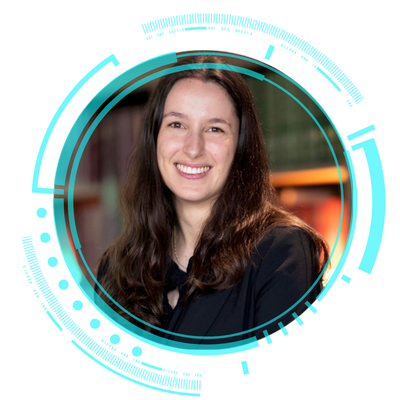
Carina Stone
TeaPolicy Researcher,
Graduate at Harvard Kennedy School
Read Bio
Carina Stone graduated in 2026 from her Master in Public Policy at the Harvard Kennedy School of Government. Carina's policy research has spanned social policy, legal policy and economic policy topics. At Harvard, Carina wrote her master's thesis on Australian technology regulation and domestic violence cyberstalking in partnership with Wesnet. Carina was also a Harvard Women and Public Policy Program Summer Fellow working with Catherine Fitzpatrick at Flequity Ventures in 2025 on disrupting financial abuse and technology-facilitated abuse in the telecommunications sector. In addition, Carina was a Teaching Fellow at Harvard Kennedy School for a course on policy responses to population aging, and did research with the Harvard Reimagining the Economy and Shift Project groups focused on place-based policy, economic development, and labour protections. She previously worked in economic research at the Australian Tax and Transfer Policy Institute and was an Associate at Boston Consulting Group before starting her Master in Public Policy. She has a Bachelor of Laws (Honours) and Bachelor of Economics from the Australian National University.
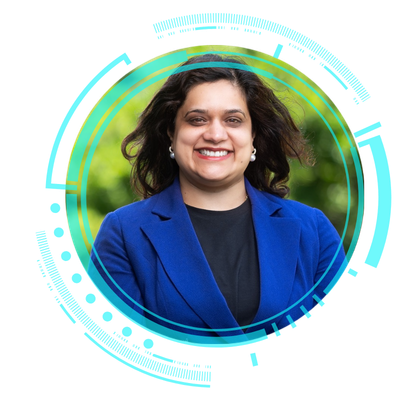
Payal Tiwari
Independent Technology Advisor & Fractional Chief AI Officer;
Family Violence Advocate
Read Bio
Payal Tiwari is a Melbourne-based technologist, board director, and fractional Chief AI Officer with over fifteen years of enterprise technology experience across global organisations including Deloitte, EY, Accenture and others. She advises organisations on AI governance, technology transformation, and strategy, building a speaking and advisory practice at the intersection of deep technical expertise and social impact.
Payal is also a lived-experience advocate for family violence and technology-facilitated abuse. She currently serves as a Lived Experience Advisor to SafeSteps Family Violence Response Centre and InTouch Multicultural Centre Against Family Violence, and is a former Board Director of Refuge Victoria. She has advised Victoria Legal Aid's Specialist Family Violence Courts project, WIRE, Monash University's School of Social Studies, and other national and state government agencies. In May 2026, Payal spoke at the Safe Steps Candlelight Vigil at Victorian Parliament in front of more than 300 people, including federal and state ministers.
She holds an Executive MBA from UNSW, Postgraduate Diploma from the University of Melbourne and a Bachelor of Engineering (Computer Systems) from the University of Tasmania.
Speakers
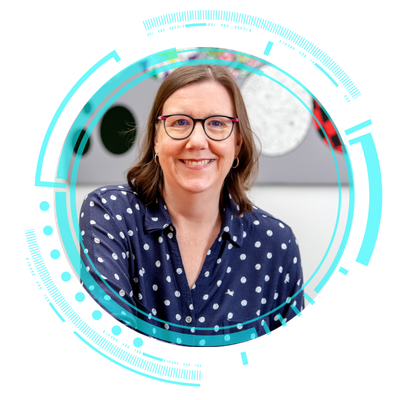
Karen Bentley
Chief Executive
Officer(CEO),
Wesnet
Read Bio
Karen Bentley, is the CEO of Wesnet, Australia’s national peak body for specialist women’s domestic and family violence services. Karen has worked across the Violence Against Women sector since 1997 as a senior executive in the Australian Public Service, as a consultant, in frontline services and at Wesnet. Karen co-founded the Safety Net Australia project in 2012 which focuses on the intersection of technology and Violence Against Women. Karen has a BSc(Hons) from ANU and began her career in the Australian Public Service where she worked across several agencies including Deputy head of the Office for the Status of Women. She has also worked as a consultant to numerous non-government organisations and in leadership positions in the health sector. She is a board member of the Global Network of Women's Shelters and the Forcibly Displaced Persons Network. Until June 2025, she was a member of the National Plan Advisory Group. She is an Advisory Group member of RMIT’s Social Equity Research Centre (SERC) and a member of the Expert Group preparing changes to the UN Handbook on National Plans to incorporate Technology-Facilitated Gender-Based Violence. In 2025, she led the delivery of the Fifth World Conference of Women’s Shelters. She is passionate about ensuring gender equality and ending all forms of gender-based violence.
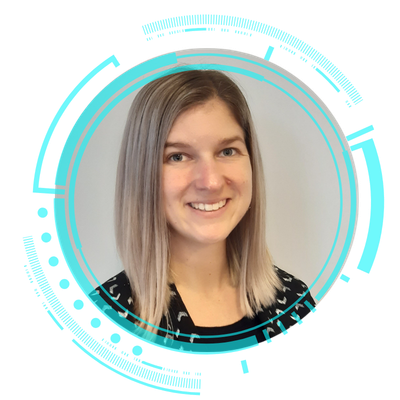
Cleo Arathoon
Senior Research Advisor,
Ngā Whare Whakaruruhau o Aotearoa – The National Collective of Independent Women’s Refuges (NZ)
Read Bio
Cleo Arathoon is the Senior Research Advisor at Ngā Whare Whakaruruhau o Aotearoa – the National Collective of Independent Women’s Refuges (NCIWR) in Aotearoa New Zealand. She holds a first-class Master of Social Work and has a professional background in adolescent and family counselling. Her area of research specialisation is intimate partner violence (IPV) and its impacts on children and young people. Cleo is the lead author of two research publications that directly engaged with children regarding their needs following experiences of violence. Her most recent research amplified the voices of 13–24-year-olds who experienced digital abuse within a broader pattern of IPV. This research examined how digital technologies were used to perpetrate and intensify ongoing IPV, and identifies specific systemic gaps affecting adolescent victims of violence.
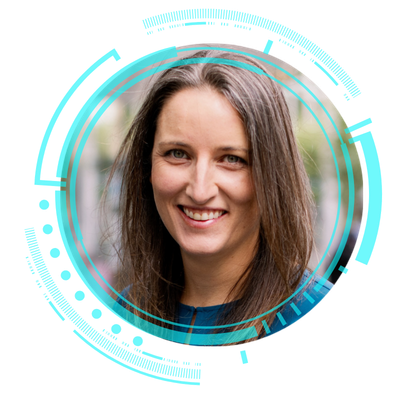
Nicole Ashcroft
Head of Safety ANZ,
Uber
Read Bio
Nicole is the Head of Safety for Uber Australia and NZ, her team's role is to reduce the risk of things going wrong on both rideshare and Uber Eats.
Nicole, Stefan and the rest of the team have endevoured to make the platform safer over the last 5 years with Uber introducing high vis for bicycle delivery people, introducing new safety features for riders such as audio recording (in most states) and safe guardian oversight to enable teen accounts.
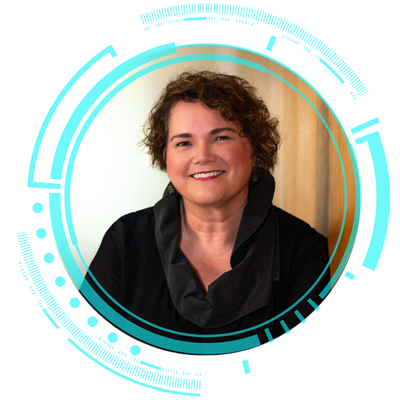
Linda Berrigan
Director of Brand and Storytelling,
Good Things Australia
Read Bio
Linda is Director of Brand and Storytelling at Good Things Australia and an experienced executive leader whose career spans the not for profit, government, professional services and corporate sectors in Australia and the UK. Linda is passionate about the power of people, ideas and storytelling to create positive social change. A creative and collaborative leader, she brings people together around a shared purpose and believes strong organisations are built by people who feel connected to that purpose and empowered to contribute.

Sarah Biordi
Technology Safety
Specialist,
Wesnet
Read Bio
In her seven years as a Technology Safety Specialist at Wesnet. Sarah Biordi has worked with victim service providers, telecommunication providers, financial institutions, technology companies, app developers, law enforcement and policymakers to improve safety and privacy for victims of intimate partner abuse. She has delivered over 70 face-to-face and online training sessions to more than 7000 practitioners and other interested parties in Australia, covering issues related to technology-facilitated abuse, privacy, and victim safety. She has also served on national and international committees addressing issues related to privacy, technology, and safety.
Sarah led the ACCAN-funded Wesnet App Safety Centre project, which involved a partnership with Dr Jenna Condie, Dr Garth Neal from Western Sydney University, and Dr Robert Merkel. Together, they conducted an impartial review and assessment of several popular safety, security, and privacy apps. Additionally, she led the Commonwealth-funded Wesnet training component of the Cyber Safety Pasifika (CSP) project in collaboration with the Australian Federal Police (AFP) from 2020 to 2025. This presentation was part of the CSP Tier 2 Cybercrime Investigations course.
Sarah feels honoured to be in a position to support women and children suffering from family and domestic violence through Wesnet’s Safety Net Australia Project.
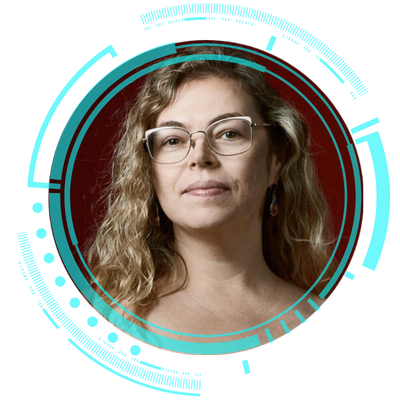
Amie Carrington
CEO,
Domestic Violence
Action Centre;
National Chair, Wesnet
Read Bio
Amie Carrington is a passionate and transformative leader dedicated to ending gender-based violence. Amie is the Chair of the Board for Wesnet (Women's Services Network) and the Chief Executive Officer of the Domestic Violence Action Centre Inc. Providing leadership of specialist domestic, family and sexual violence services in South East Queensland to increase safety and healing for victim survivors and reduce the impact of Domestic Violence in our communities. Amie's academic background includes a Bachelor's degree in Communications & Social Inquiry, complemented by certifications in governance, leadership, and coaching.
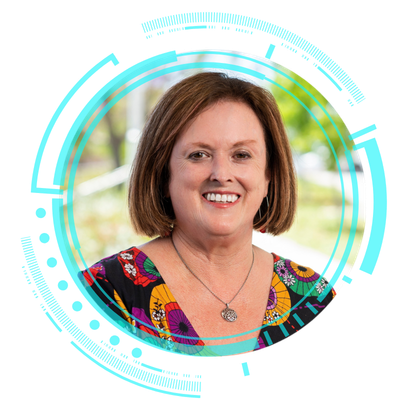
Prof. Donna Chung
John Curtin Distinguished Professor of Social Work,
Curtin University
Read Bio
Donna Chung is the John Curtin Distinguished Professor of Social Work and a director of the Care + Justice Group at Curtin University. She is a leading family and domestic violence researcher whose work spans technology-facilitated abuse, post separation violence and abuse, perpetrator accountability, policy reform, and service responses to violence against women and children. She has had continuing involvement with advocacy and advisory bodies committed to ending male violence against women and children.

Andrew Collins
Co-CEO,
The Digital
Safeguard Centre
Read Bio
Andrew brings thirty years in technology, from defence research and development to Chief Technology Officer and Chief Information Officer roles. He has founded and led organisation-wide transformation and international security programs across healthcare, defence, and government, including a health transformation that reshaped services for roughly half of New Zealand's population.
His work reaches lives directly: a culturally aware telehealth service for renal care in Samoa, and a virtual interpreting service bringing 161 languages to 550 clinical sites across Auckland.
Andrew is a technical expert on the ACS Blockchain and AI Ethics advisory groups, a subject matter expert with Standards Australia and ISO, and a Member of the ACS (MACS). He holds Bachelor of Engineering, Bachelor of Information Technology, and Master of Science degrees, and a Certificate IV in Counselling.
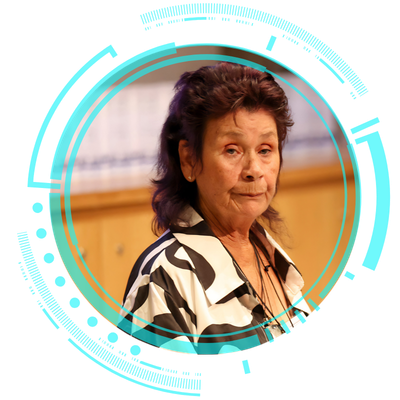
Aunty Kathryn
Fisher
Read Bio
Aunty Kathryn Fisher is an Aboriginal elder who was born on and grew up on Cherbourg Aboriginal Reserve. She now lives in Brisbane where she is linked to the Turrbal People through kinship ties. She has a strong spiritual connection to her people, the land and traditions. Aunty Kathryn will deliver the Welcome to Country on behalf of the Turrbal People of Brisbane.
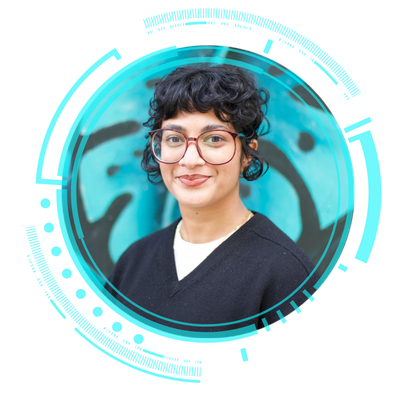
Shehelah Dassenaike
Project Lead,
YLab
Read Bio
Shehelah is a Colombo-born facilitator, evaluator and co-creation enthusiast, raised on Wurundjeri Woi Worrung Country.
With a background in gender studies and public health, her practice is guided by intersectional feminist and anti-oppressive frameworks, and grounded in principles of health equity, social justice and cultural humility.
Shehelah has built a values-driven portfolio working across several areas of impact, including gender-based violence, youth affairs, mental health and healthcare.
As Project Lead at YLab, she works alongside other young people and creatives to shape, systems services and futures that we can all be proud of. She is currently guiding the co-creation process for a youth-led, community-driven social media intervention to support young men in rejecting harmful gender stereotypes.
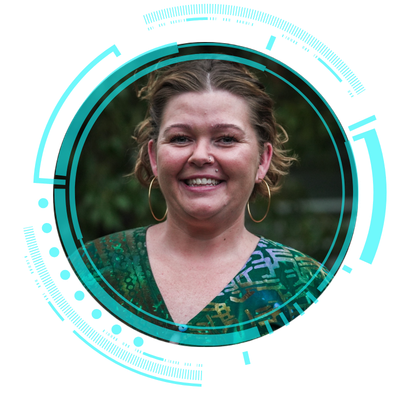
Kayla Glynn-Braun
Co-Founder and Managing Director,
Her Story
Read Bio
U Right Sis? is a primary prevention program developed by Her Story Consulting to educate and empower young people and communities to recognise, prevent, and respond to technology-facilitated abuse (TFA). Through interactive workshops, culturally safe resources, and community engagement, the program builds digital safety skills, promotes healthy and respectful relationships, and encourages help-seeking. Designed with and for First Nations communities, U Right Sis? supports participants to navigate the online world safely while challenging harmful behaviours and creating safer communities.
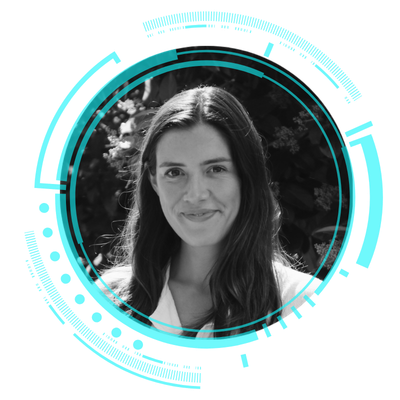
Tess Fuller
Head of Content & Brand,
Teach Us Consent
Read Bio
Tess is the Head of Content & Brand at Teach Us Consent. She began as one of the organisation's first young volunteers in 2021, leading the social media campaign supporting the movement for mandatory consent education. Later, she became their first employee and has most recently led the content production for the organisation’s Department of Social Services funded Promoting Consent Initiative. She has a decade of experience in communications roles across not-for-profits, women-led social enterprises and B-Corps, and consults on social media strategy for purpose-driven leaders.
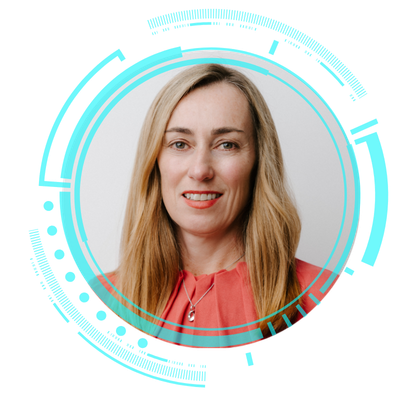
Christine Gregory
Head of InnovationLab,
Our Watch
Read Bio
Christine Gregory is the head of Our Watch’s National Violence Prevention Innovation lab. Christine is an experienced leader in strategy, innovation and partnership and has worked across Australia and the Asia-Pacific in the development, humanitarian and prevention sectors. She has worked on social justice programs for more than twenty years. Alongside her work at Our Watch, Christine is a published author.

Annabelle Harrison
Technology Safety Specialist,
Wesnet
Read Bio
Annabelle Harrison is a Technology Safety Specialist for Wesnet, providing training and technical advice on technology safety issues to front-line service providers, technology companies, academics and policy advisors. Annabelle has led work in developing resources with Meta and Tinder Australia to keep survivors safe on technology. Prior to joining Wesnet, Annabelle worked as a Cyber Security Advisor in the Non-for-profit sector and as a Digital Success Manager for a private Information Security consultancy firm. Annabelle is passionate about strengthening an individual's sense of security and believes businesses and corporations are significantly influential during this process.
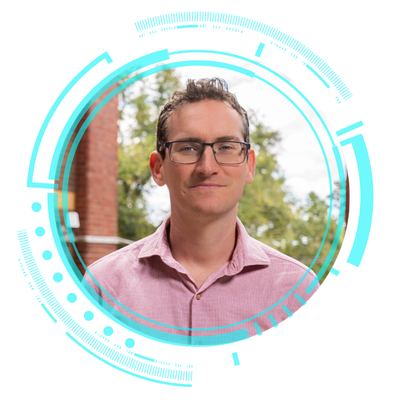
Diarmaid Harkin
Associate Professor in Criminology,
Deakin University
Read Bio
Diarmaid Harkin is an Associate Professor in Criminology at Deakin University. His primary research interests are in the field of cyber-security from a social scientific perspective. This has included projects examining the spyware industry; the impact of electronic surveillance laws on journalists; the challenges of cyber-policing; and a range of projects focused on the impacts of technology-facilitated abuse in the context of domestic and family violence.

Dr Sophie Hindes
Research Fellow,
Australian Research Centre in Sex, Health & Society, La Trobe University
Read Bio
Sophie is a Research Fellow at the Australian Research Centre in Sex, Health and Society at La Trobe University and co-convenor of the family, domestic and sexual violence research stream. They are a criminologist specialising in LGBTQ+ communities and strengths-based approaches to understanding and addressing sexual and gender-based violence. They are the lead investigator on the e-Safety funded grant Respectful Connections: Transgender Women and Cisgender Men Online which is generating world-leading evidence on transgender women’s experiences of tech-based abuse and will identify the resources needed to prevent abuse and support safe, respectful, and healthy interactions.

Alison Stefan Iared
Senior Safety Operations Manager,
Uber
Read Bio
Alison Stefan is Senior Safety Operations Manager for Uber Australia and New Zealand. With more than 7 years of global experience in interpersonal safety, he is passionate about creating safer journeys for everyone, and dedicated to driving change in reducing interpersonal conflict across Uber's rideshare platform.
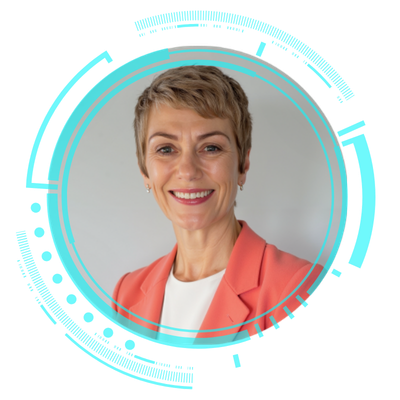
Rose MacDonald
Co-CEO,
The Digital
Safeguard Centre
Read Bio
Rose is a former detective and digital forensic specialist with 20 years of law enforcement experience across two jurisdictions. Her investigative work spanning sexual offences, child abuse, and homicide brought early visibility to the escalating threat of technology-facilitated abuse in domestic and family violence contexts, and positioned her to merge forensic expertise with purposeful innovation at the intersection of digital safety and victim-survivor protection.
Her leadership is defined by a forward-thinking approach that challenges conventional methods and drives lasting social impact.
Rose is a Fellow and Board Member of ARPI®, a Member of the Australian Computer Society (MACS), and holds a Bachelor of Applied Science and a Master of Digital Forensics.
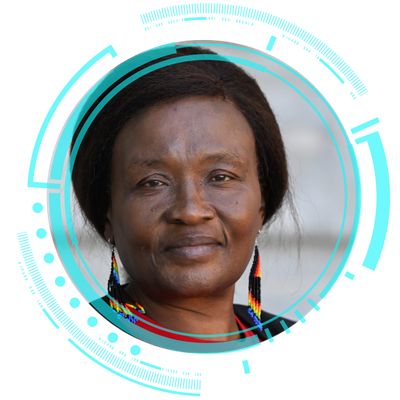
Grace Samuel
Oryem
Founder,
Arise Women Support Association
Read Bio
Grace Samuel Oryem founder of Arise Women Support Association Inc. (AWSA). Guided by lived experience, cultural wisdom, and a commitment to social justice, she empowers women and emerging communities through leadership, and culturally responsive training sessions. Grace established AWSA in response to the need for culturally responsive women-led to address the challenges women face in settlement, trauma recovery, and social inclusion, creating spaces where women can be heard, supported, thrive and empowered to achieve lasting positive change.
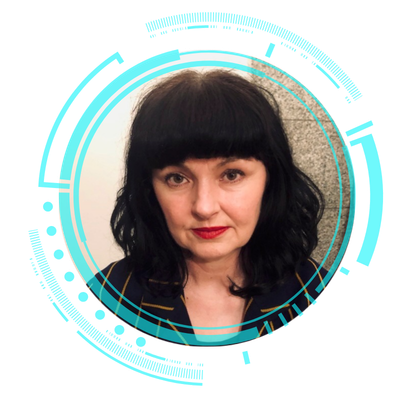
Catherine Plunkett
Director, SafetyNet Australia,
Wesnet
Read Bio
Catherine is the Director of SafetyNet Australia at Wesnet, leading a team that works at the intersection of technology-facilitated abuse and gender-based violence, providing training, knowledge resources and expert advice to service providers, government and technology companies.
She is a subject matter expert with more than thirty years of experience working with specialist domestic/family services, including state and national peak bodies.
Catherine has led the design and implementation of key sector-wide service models, practice frameworks and workforce development initiatives, as well as representing the sector in key strategic system reform processes.
As an advocate for structural reform, Catherine centres the experience of survivors, and uses intersectional feminist, human rights, and anti-oppressive frameworks to address and prevent gender-based violence.
In 2017, she was awarded a Winston Churchill Fellowship to investigate how multi-agency responses to family violence can generate positive systemic change.

Starlady
Director,
Zoe Belle Gender Collective
Read Bio
Starlady is a queer trans woman/feminine person living on Dja Dja Wurrung country and is the Director at the Zoe Belle Gender Collective. She is passionate about social justice, the prevention of gender-based violence and dismantling trans misogyny. Starlady is the lead author and campaign director of Transfemme, a campaign and website promoting healthier relationships between trans women and cis men.
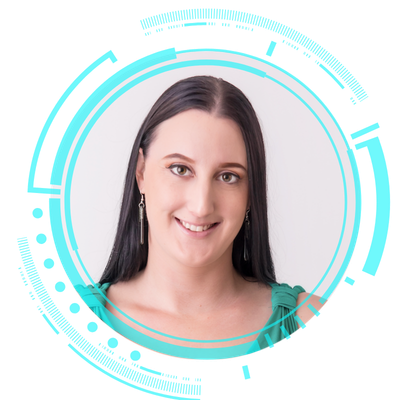
Dr Natalie Thornburn
Principal Policy Advisor,
Ngā Whare Whakaruruhau o Aotearoa – The National Collective of Independent Women’s Refuges (NCIWR)
Read Bio
Dr Natalie Thorburn is the Principal Policy Advisor at the National Collective of Independent Women’s Refuges, and has been for over a decade. She is a registered social worker with extensive practice, policy development, and research experience in the field of violence against women.
Quick Links
[email protected] / (Australia FREE CALL) 1800 937 638
Graphics in this website are made by Cuate from storyset.com